
How to Plan Balanced Meals Without Stress
nutixii.sbs >> Balanced Diet>> How to Plan Balanced Meals Without Stress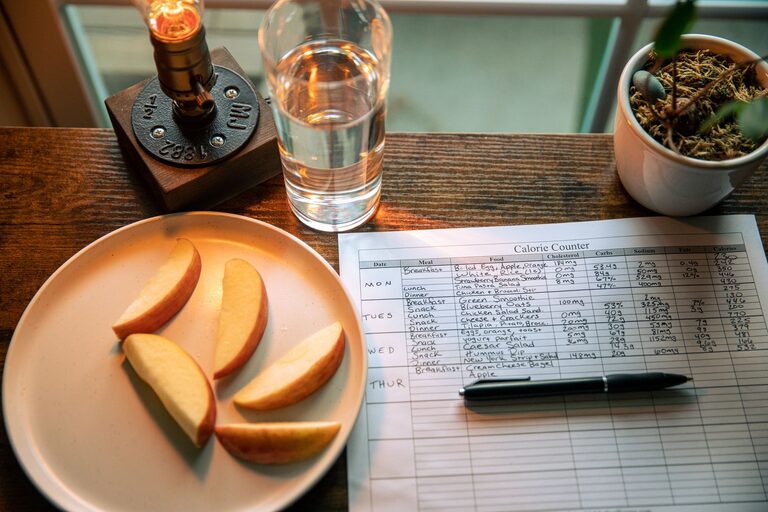
How to Plan Balanced Meals Without Stress
Planning balanced meals doesn’t have to be overwhelming or stressful. With a few straightforward tips and a bit of preparation, you can enjoy nutritious meals that support your health and fit smoothly into your lifestyle. This guide will walk you through practical steps to make meal planning a manageable and even enjoyable part of your routine.
What is a Balanced Meal?
A balanced meal includes a variety of foods that provide essential nutrients such as carbohydrates, protein, healthy fats, vitamins, and minerals. The goal is to fuel your body properly and maintain energy throughout the day.
A typical balanced meal includes:
– Vegetables and fruits: These provide fiber, vitamins, and antioxidants.
– Whole grains: Sources like brown rice, quinoa, or whole wheat bread supply complex carbohydrates and fiber.
– Lean protein: Options include beans, poultry, fish, tofu, or eggs.
– Healthy fats: Found in nuts, seeds, avocados, and olive oil.
– Dairy or alternatives: For calcium and vitamin D, if you include them in your diet.
Step 1: Start with a Simple Plan
Choose Your Meals for the Week
Begin by deciding how many meals you need to plan. This usually includes breakfast, lunch, and dinner, plus snacks if needed. Writing down your plan for the week helps you visualize and organize your shopping list.
Keep It Realistic
Focus on meals that match your cooking skills and time availability. Simple dishes with a few ingredients can be just as nutritious as more elaborate recipes.
Step 2: Balance Your Plate
Use the Plate Method
A helpful visual guide is the “plate method”:
– Half your plate filled with vegetables and fruits.
– One-quarter with lean protein.
– One-quarter with whole grains or starchy vegetables.
This easy approach ensures a balanced mix without complicated measuring.
Incorporate Variety
Eating different colors and types of foods keeps meals interesting and ensures you get a range of nutrients.
Step 3: Prepare and Shop Smartly
Make a Grocery List
With your meal plan in hand, write a grocery list grouped by food categories. This saves time and helps avoid last-minute unhealthy choices.
Shop Seasonal and Fresh
Seasonal fruits and vegetables are often fresher, tastier, and more affordable.
Consider Batch Cooking
Preparing meals or ingredients in advance can reduce daily cooking stress. For example, cook a batch of grains or roast vegetables to use throughout the week.
Step 4: Use Time-Saving Cooking Tips
One-Pot or Sheet Pan Meals
These methods reduce cleanup and speed up cooking.
Utilize Leftovers
Turn last night’s dinner into today’s lunch by repurposing ingredients creatively.
Keep Staples Ready
Having basics like canned beans, frozen veggies, and pre-washed greens can help you assemble balanced meals quickly.
Step 5: Listen to Your Body and Adjust
Everyone’s nutritional needs and preferences differ. Pay attention to how you feel after meals and adjust portion sizes and food choices as needed. Planning balanced meals is flexible — it should work for you, not cause extra stress.
Bonus: Easy Balanced Meal Ideas
Here are a few simple meal ideas to get you started:
– Breakfast: Greek yogurt with berries, nuts, and a drizzle of honey.
– Lunch: Quinoa salad with chickpeas, cherry tomatoes, cucumbers, and a lemon-tahini dressing.
– Dinner: Grilled chicken, roasted sweet potatoes, and steamed broccoli.
– Snack: Apple slices with almond butter.
Final Thoughts
Planning balanced meals doesn’t require perfection or complex recipes. By keeping your approach simple, organizing ahead, and focusing on variety, you can nourish your body with ease. Start small, experiment with what works best for you, and enjoy the process of creating meals that help you feel your best every day.