
A Beginner’s Guide to Stretching at Home for Better Flexibility
nutixii.sbs >> Flexibility>>Stretching>> A Beginner’s Guide to Stretching at Home for Better Flexibility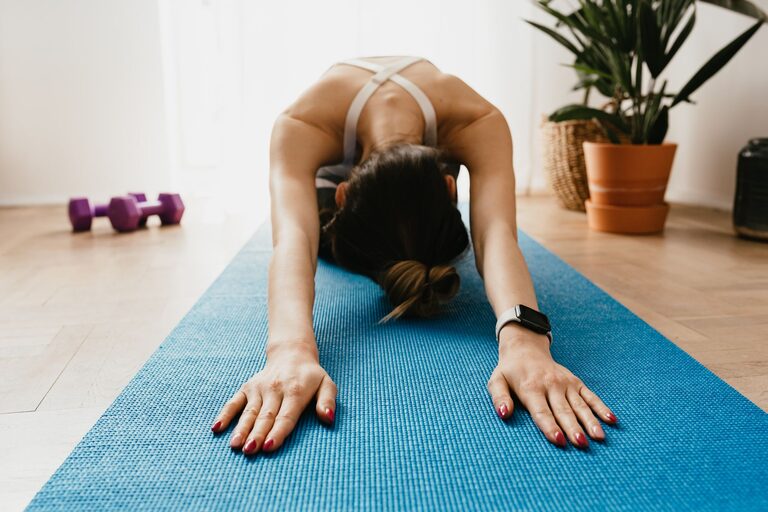
A Beginner’s Guide to Stretching at Home for Better Flexibility
Stretching is a gentle and accessible way to improve your flexibility, relieve muscle tension, and enhance your overall physical health. Whether you spend a lot of time sitting at a desk, engaging in physical activity, or just looking for a way to relax, incorporating stretching into your daily routine can offer numerous benefits. The best part? You don’t need any special equipment or a gym membership to get started—stretching at home is easy and effective.
This beginner’s guide will walk you through the basics of stretching, provide simple routines, and share tips to keep you motivated and safe.
Why Stretch at Home?
Stretching regularly helps:
– Increase flexibility and range of motion
– Reduce muscle stiffness and soreness
– Improve posture
– Promote relaxation and reduce stress
– Enhance circulation and energy levels
Doing this at home means you can fit stretching into your schedule whenever it suits you, without extra costs or travel.
Understanding Different Types of Stretching
Before you start, it helps to know the two main types of stretching:
1. Static Stretching
Static stretches involve holding a position for 15-60 seconds without moving. This helps lengthen muscles and improve overall flexibility. Static stretching is best done after your body is warmed up, usually after exercise or a brief warm-up.
2. Dynamic Stretching
Dynamic stretches involve moving parts of your body through a full range of motion repeatedly, like leg swings or arm circles. They’re great to do before exercise to prepare your muscles and joints.
For beginners, a mix of both — starting with a light warm-up and finishing with static stretches — is a good approach.
Getting Started: Tips for Safe Stretching
– Warm up first: Stretching cold muscles can cause injury. Try marching in place or gentle walking for 3-5 minutes.
– Breathe deeply: Don’t hold your breath. Breathe slowly and deeply to help your muscles relax.
– Never force a stretch: You should feel gentle tension, not pain. Ease into the stretch gradually.
– Hold static stretches for 20–30 seconds: Avoid bouncing or jerking movements.
– Stretch both sides: If you stretch one side of the body, do the same for the other side to maintain balance.
– Be consistent: Stretching daily or at least 3-4 times a week will give you the best results.
Simple Stretching Routine for Beginners
This routine takes about 10–15 minutes and covers major muscle groups. Use a yoga mat or comfortable surface if you’d like.
1. Neck Stretch
– Sit or stand tall.
– Slowly tilt your head toward your right shoulder until you feel a stretch on the left side of your neck.
– Hold for 20 seconds.
– Repeat on the left side.
2. Shoulder Rolls
– Stand or sit with your back straight.
– Roll your shoulders forward in a circular motion 10 times.
– Reverse the direction and roll backward 10 times.
3. Chest Stretch
– Stand tall and clasp your hands behind your back.
– Straighten your arms and lift your chest slightly.
– Hold for 20 seconds, feeling a stretch across your chest and shoulders.
4. Seated Spinal Twist
– Sit comfortably with your legs extended.
– Bend your right knee and cross it over your left leg, placing your right foot flat on the floor.
– Twist your torso to the right, placing your left elbow outside the right knee.
– Hold for 20 seconds.
– Repeat on the opposite side.
5. Hamstring Stretch
– Sit on the floor with your legs straight.
– Slowly reach toward your toes, keeping your back straight.
– Hold for 20–30 seconds, feeling the stretch along the back of your thighs.
6. Quadriceps Stretch
– Stand and hold onto a wall or chair for balance.
– Bend your right knee and grab your ankle behind you.
– Pull your heel gently toward your buttocks.
– Hold for 20 seconds.
– Repeat with the left leg.
7. Calf Stretch
– Stand facing a wall.
– Place your hands on the wall at shoulder height.
– Step your right foot back, keeping it flat and straight.
– Lean toward the wall until you feel a stretch in your calf.
– Hold for 20 seconds.
– Switch legs.
8. Child’s Pose (Relaxation Stretch)
– Kneel on the floor, sit back on your heels, and stretch your arms forward.
– Lower your forehead to the ground.
– Hold for 30 seconds, breathing deeply to relax your back and shoulders.
Incorporating Stretching Into Your Daily Life
To make stretching a habit, try these ideas:
– Stretch in the morning to wake your body up.
– Take short stretch breaks during work or study sessions.
– Stretch after exercise or physical activity.
– Use stretching as a way to wind down before bed.
– Pair stretching with calming music or deep breathing for added relaxation.
When to Avoid Stretching or Seek Advice
If you experience sharp pain, dizziness, or swelling during stretching, stop immediately. If you have existing injuries or medical conditions, consult a healthcare professional before starting a new stretching routine.
Final Thoughts
Stretching at home is a simple and valuable practice anyone can do. With regular, mindful stretching, you may notice improved flexibility, reduced muscle tension, and a more relaxed mind and body. Start small, be patient, and enjoy the process of caring for your body every day.
Happy stretching!